Rare Partial Solar Eclipse Visible in Finland This Evening – Experts Warn of Eye Damage Risks
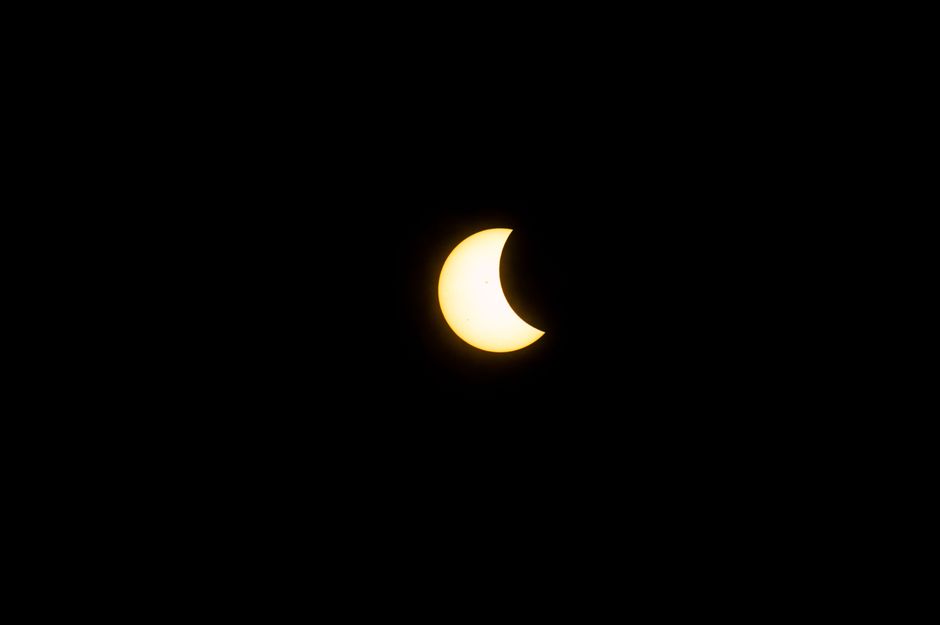
A partial solar eclipse will be visible in Finland on Wednesday evening, offering a rare celestial spectacle. However, experts are urging caution, as viewing the event without proper protection can cause permanent eye damage.
The eclipse will be observable in the evening, but ophthalmologists warn that looking directly at the sun—even during an eclipse—poses serious risks. Yle reports that sunlight can irreversibly damage the retina’s light-sensing cells, leading to impaired sharp vision. In severe cases, the damage may affect visual acuity required for tasks like driving or reading.
Matti Seppänen, Chief Physician of Ophthalmology at Terveystalo, explains that the danger is heightened during an eclipse because the sun’s glare is reduced, weakening the eye’s natural protective reflex. Additionally, twilight conditions can cause the pupil to dilate, allowing more harmful light to reach the retina. Ilta-Sanomat (IS) notes that NASA warns retinal damage can occur in as little as 100 seconds, even when 99% of the sun is obscured.
Permanent Damage with No Immediate Symptoms
The damage may not be immediately noticeable, as the retina lacks pain receptors. Yle highlights that symptoms—such as blurred vision or dark spots—may only appear hours later. Jussi Paterno, a Specialist in Ophthalmology at Kuopio University Hospital, warns that some injuries may heal over weeks or months, but permanent damage is possible.
Paterno has treated patients with solar-related eye injuries after previous eclipses and describes the condition as an "unnecessary injury" that can be entirely prevented. There is no effective treatment for such damage, though cortisone may sometimes be used to reduce inflammation.
Safe Viewing Methods
Experts emphasize that proper protective measures are essential. Yle states that only certified eclipse glasses or welder’s glasses with shade number 14 should be used. Regular sunglasses are insufficient. Joonas Wirkkala, Research Director at Silmäasema, advises limiting viewing time to a few minutes at most (IS).
For those using telescopes or cameras, high-quality solar filters are necessary to avoid damaging equipment or eyes. The Astronomical Association Ursa warns that without proper filters, sunlight can destroy camera sensors. Paterno advises against using binoculars, telescopes, or DSLR viewfinders unless one is experienced, as improper filters or alignment can direct intense sunlight into the eyes. Mobile phone users should also wear protective glasses, as sunlight can enter the eyes from the device’s edges.
The safest method for photography, according to Paterno, is to take selfies with the sun behind you. The last time a partial solar eclipse of this magnitude was visible in Finland was 11 years ago.