
Finns Set Record for Cheese Consumption in 2025 While Meat and Dairy Trends Shift
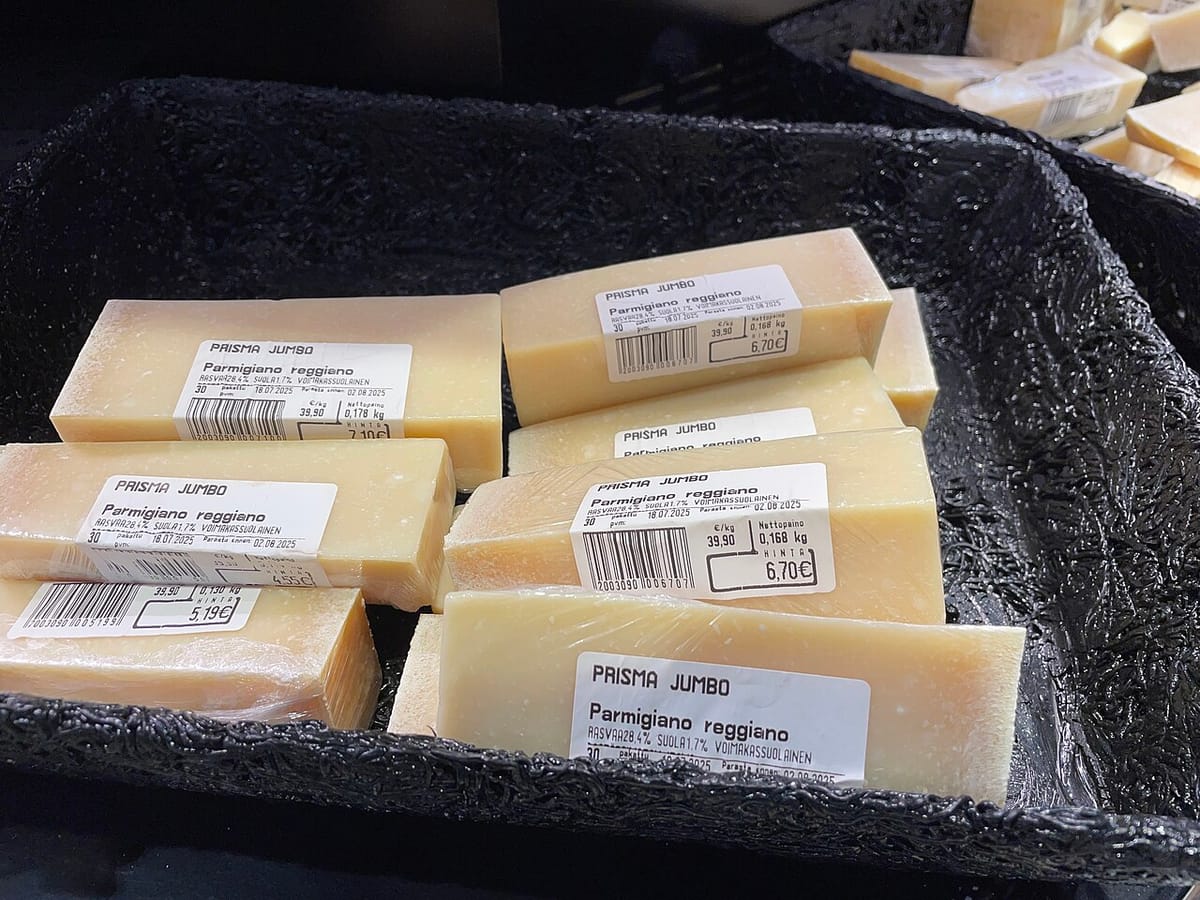
Preliminary data from the Natural Resources Institute Finland’s (Luke) food balance sheet reveals significant shifts in Finnish dietary habits in 2025, with record-high cheese consumption and fluctuating trends in meat, dairy, and grain products.
Finns consumed an average of 27 kilograms of cheese per person last year, the highest figure recorded in the history of the food balance sheet, which has tracked consumption since 1949. Helsingin Sanomat highlights that this marks a notable increase, contrasting with the continued decline in liquid dairy product consumption, which fell by 2.6 percent compared to the previous year. However, other fresh dairy-based products, such as puddings and flavored quarks, saw a rise in consumption (Yle).
Meat Consumption Trends
Overall meat consumption remained relatively stable, with Finns consuming 78.1 kilograms per person in 2025, a slight decrease of 0.2 kilograms from the previous year (Helsingin Sanomat). The figures include game meat and edible offal, with consumption measured as raw, bone-in carcass weight rather than ready-to-eat portions.
While total meat consumption dipped marginally, pork and poultry saw modest gains. Pork consumption rebounded after years of decline, increasing by a few percentage points, while poultry continued its long-term growth trend, reaching 30.9 kilograms per person—though last year’s increase was less than one percent (Yle). Beef consumption, however, declined (Helsingin Sanomat).
Fish, Fruit, and Vegetables
Fish consumption rose slightly, with Finns eating just over 14 kilograms per person in 2025. Fresh fruit also saw an uptick, with average consumption reaching 50 kilograms per person, while vegetable intake remained steady at 64.5 kilograms per person (Yle).
Declining Grain Consumption
Grain consumption continued its downward trajectory, totaling 86.2 kilograms per person—a decrease of one kilogram from the previous year. This decline includes oats, which have seen reduced consumption in recent years (Yle).
Methodology Notes
The food balance sheet reflects the amount of food available for consumption rather than actual intake, meaning figures include unavoidable waste. Since 1970, data has been reported on a calendar-year basis, whereas earlier records covered the crop year (July–June) (Helsingin Sanomat).
